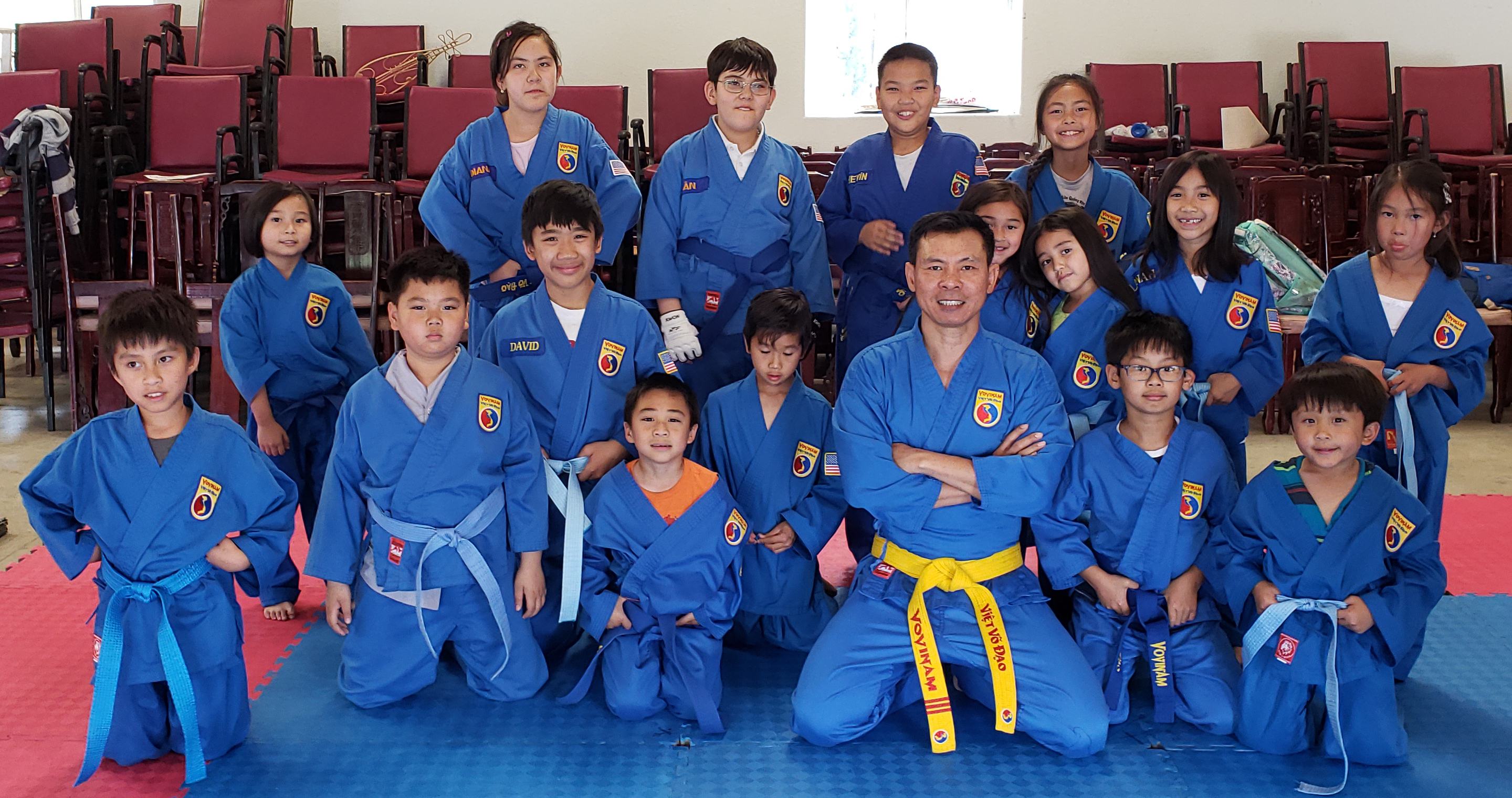
Người thầy võ đóng vai trò rất quan trọng trong việc định hướng phát triển toàn diện cho học trò của mình. Dưới sự dẫn dắt của thầy, người môn sinh Vovinam không chỉ rèn luyện kỹ thuật mà còn rèn giũa đạo đức thông qua bốn yếu tố cốt lõi: Võ Lực, Thể Lực, Trí Lực và Tâm Lực.
1. Về Võ Lực
Người thầy võ dạy cho học trò cách ứng biến khoa học khi thượng đài hoặc gặp sự nguy biến ngoài xã hội. Thầy giúp môn sinh biết cách dùng sức, sử dụng đòn thế phù hợp trong những điều kiện không gian và hoàn cảnh khác nhau.
2. Về Thể Lực
Người thầy võ dạy cho học trò cách rèn luyện, tăng cường sức khỏe để đạt đến độ dẻo dai – mạnh mẽ tốt nhất của cơ bắp và khả năng duy trì nhịp độ tim mạch hợp lý, đều đặn.
3. Về Trí Lực
Người thầy võ giúp học trò không ngừng suy nghĩ, tìm hiểu về võ thuật, võ đạo. Chính việc tìm hiểu liên tục trong những buổi học sẽ tạo cho học trò lối tư duy của nhà khoa học, đó là luôn đặt câu hỏi Tại Sao? và Như Thế Nào?
Tập luyện chuyên cần là tốt nhưng chưa đủ, phải hỏi để sáng tỏ.
4. Về Tâm Lực
Tâm là gì? Thế nào là có Tâm lực? Tâm tức là những suy nghĩ, hoài bão mang mục đích Hướng-thượng – tức là hướng đến các mục đích cao đẹp của cuộc sống. Xưa gọi là Sống-Tốt-Đời-Đẹp-Đạo; nay gọi là Sống-Dấn-Thân-Hiến-Ích.
Nhưng dấn-thân thôi chưa đủ, Tâm lực trong đời sống xã hội hiện tiền cần phải có Tinh-Thần-Phụng-Sự.
✎ Câu Hỏi Thảo Luận
Người học võ cần tinh thần phụng sự như thế nào? Kính mời quý đồng môn, thân hữu gửi nhận định, quan điểm để cùng thảo luận sáng tỏ nội dung này qua mục Bình luận phía dưới.
(Nguồn tham khảo: Blog Học Võ Vovinam)
The martial teacher plays a vital role in guiding the complete development of the student. Under the teacher's guidance, a Vovinam practitioner not only trains in technique but also cultivates character through four core pillars: Martial Power, Physical Fitness, Intellect and Heart.
1. On Martial Power (Võ Lực)
The martial teacher shows the student how to respond in a sound, methodical way — whether competing in the ring or facing danger in society. The teacher helps the practitioner learn how to apply strength and choose the right techniques for different spaces and situations.
2. On Physical Fitness (Thể Lực)
The martial teacher teaches the student how to train and build health, reaching the best suppleness and strength of the muscles and maintaining a steady, healthy heart rate.
3. On Intellect (Trí Lực)
The martial teacher helps the student think and inquire ceaselessly about the martial art and its philosophy. Continual inquiry during lessons shapes in the student the mind of a scientist — one who always asks Why? and How?
Diligent practice is good but not enough; one must ask questions in order to understand clearly.
4. On Heart (Tâm Lực)
What is "heart"? What does it mean to have heart-power? Heart means the thoughts and aspirations aimed upward — toward the noble purposes of life. In the past this was called living a good life and a beautiful faith; today it is called living by commitment and contribution.
But commitment alone is not enough; heart-power in today's social life must be carried by a Spirit of Service.
✎ For Discussion
How should a martial practitioner live out this spirit of service? We warmly invite fellow practitioners and friends to share their views and reflections in the comment section below.
(Reference: Blog Học Võ Vovinam)


Để lại bình luận